Mobile Site Logo
Search
Parish Potluck / Covered Dish

Ministry Toolkit

Parish Potluck / Covered Dish

A potluck is more than just a shared meal; it’s a living icon of the banquet feast. A potluck brings people together not only to eat, but to celebrate, connect, and give thanks.

Parish Potluck / Covered Dish

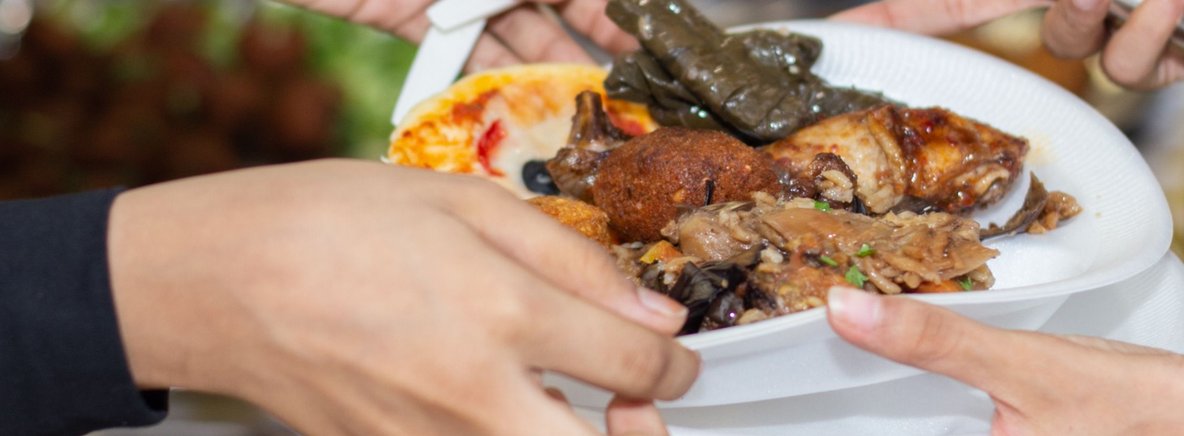
A potluck is more than just a shared meal; it’s a living icon of the banquet feast. A potluck brings people together not only to eat, but to celebrate, connect, and give thanks. Each person contributes a dish, and in doing so, becomes part of something larger: a diverse, generous, and joyful table that reflects the richness of the Body of Christ.

Planning a church potluck should be rooted in a spirit of collaboration, inclusion, and gratitude. While practical things like assigning dish categories or having enough utensils matter, the heart of the event is spiritual: to break bread together, welcome strangers as friends, and rehearse the Kingdom banquet where all are invited to the table.

Whether it’s a feast day celebration, a welcome meal for newcomers, or simply time set aside for fellowship, a potluck fosters belonging and mutual care. It’s a tangible expression of Christian hospitality, not about impressing others, but about creating a space where everyone is welcomed, seen, and fed.

Checklist

Set the Tone & Spiritual Intention

  • Prayerfully consider the spiritual and relational purpose of the potluck
  • Ask: What do we want people to experience? What should they leave with?
  • Prepare a brief reflection or invitation to share at the start of the meal
      Examples:
       - “Our hope is that everyone connects with 2–3 people they didn’t know before tonight.
       - “Take a moment during dinner to share something you’ve been learning through this part of the Liturgical Year.
  • Reinforce a welcoming atmosphere — "Everyone is welcome, even if you didn’t bring a dish!”
  • Consider incorporating a shared discussion question or reflection for the table
  • Build a sense of togetherness and intention from the very beginning


Planning & Communication

  • Choose the date, time, and location
  • Pick a theme (optional) — e.g., feast day, season, family recipes
  • Reserve the parish hall or outdoor space if needed
  • Create a sign-up sheet (main dishes, sides, salads, desserts, drinks)
  • Use SignUpGenius or another free tool to coordinate
  • Encourage recipe swapping — guests bring recipe printouts
  • Design a flyer for the event
  • Promote the event in the bulletin, email, and post-Liturgy announcements
  • Personally invite newcomers and key guests (via in-person, call, or text)
  • Remind attendees to bring enough food for 5–10 people


Supplies Checklist

  • Plates
  • Cups
  • Napkins
  • Utensils
  • Serving spoons, tongs, ladles
  • Tablecloths (optional but adds a touch of festivity)
  • Centerpieces (simple icons, candles, seasonal decor)
  • Trash bags and recycling bins
  • Foil, wrap, or containers for leftovers
  • Dish labels (include fasting/dietary info)
  • Permanent markers
  • Crockpots or warming trays (if needed)
  • Pitchers of water, tea, or lemonade
  • Portable speaker
  • Playlist prepared
  • Camera or phone for photos (with permission)

Program Elements

  • Say a blessing over the food
  • Welcome everyone; reiterate inclusivity
  • Share the tone-setting reflection or prompt
  • Encourage people to meet someone new
  • Seat everyone at one or a few long tables (if possible)
  • Facilitate meaningful conversation
  • Snap a group photo or candids (with permission)
  • Publicly thank all who contributed and helped


Setup & Cleanup

  • Arrive early to set up tables and chairs
  • Arrange food, drink, and dessert stations
  • Label areas clearly (e.g., "Drinks" / "Desserts" / "Allergen-Friendly")
  • Assign a clean-up crew in advance or rotate each event
  • Provide containers for leftovers
  • Make sure trash/recycling is labeled and available


Optional Enhancements

  • Invite someone to share a short reflection or story
  • Create themed decor or table signs
  • Prepare icebreaker questions or discussion prompts
  • Provide table activities or saint coloring sheets for children
  • Collect and compile recipes into a mini parish cookbook